United Kingdom
Help for the UK's Homeless
Information for communities, coalitions, and partners across England, Scotland, Wales, and Northern Ireland interested in the Compassion Network campus model — a turnkey, community-style answer to chronic homelessness.
The Crisis
Key research on the UK’s homelessness crisis
What the UK’s own researchers and agencies report about the scale of the crisis — and why current responses fall short.
The Homelessness Monitor: Scotland 2026
Crisis, led by Heriot-Watt University, October 2026. 22,800 Scottish households in the worst forms of homelessness — up 54% since 2020; around 1,000 sleeping rough on an average night (double the pandemic low); temporary accommodation at record highs. A package of policy interventions could cut core homelessness 47% by 2028.
Statutory homelessness in England: January to March 2026
Ministry of Housing, Communities and Local Government, August 2026. 135,580 households in temporary accommodation at 31 March 2026 — a record high, up 3.6% year-on-year — including 177,530 children and 1,900 families in B&Bs.
Rough sleeping snapshot in England: autumn 2025
Ministry of Housing, Communities and Local Government, February 2026. 4,793 people estimated sleeping rough on a single night — a new record, the fourth annual increase in a row, 171% higher than 2010; 43% in London and the South East.
Number of children homeless in England highest since records began
Shelter England, August 2026. Shelter’s analysis: 177,530 children homeless in temporary accommodation — the 18th consecutive rise — while councils spent £2.82 billion on temporary accommodation in 2024/25.
IPPR / IPPR North report on homelessness across England
IPPR and IPPR North, July 2026 (via Crisis). Rising living costs and a chronic shortage of social and affordable homes are fuelling the crisis while councils spend billions yearly on temporary accommodation — calling for a national shift to a Housing First philosophy.
Frontline Worker Survey Findings 2026
St Martin-in-the-Fields Charity, 2026. 85% of frontline homelessness workers report challenges accessing suitable accommodation; 86% say finding accommodation within Local Housing Allowance rates is difficult or very difficult — and 52% say it got harder in the last 12 months.
The Crisis
The crisis across the nations
How the crisis materializes in England, Scotland, Wales, and Northern Ireland — drawn from official statistics.
England
Temporary accommodation: 135,580 households at 31 March 2026 — a record high — including 177,530 children, the 18th consecutive quarterly rise.
Sleeping rough: 4,793 people on a single autumn night in 2025 — a record, up 171% since 2010.
Scotland
Core homelessness: 22,800 households in the worst forms — up 54% since 2020 — with around 1,000 sleeping rough on an average night, double the pandemic low.
Temporary accommodation: 19,004 households at 31 March 2026 — the highest since records began in 2002 — including a record 10,715 children.
Wales
Temporary accommodation: 10,282 individuals in May 2026, including 2,219 children under 16.
Sleeping rough: 162 people in May 2026 — a five-year high for May, up 23% year-on-year. Wales’s 2026 Act sets the ambition for homelessness to be “rare, brief and unrepeated.”
Northern Ireland
Temporary accommodation: 5,633 households in April 2026 — up 79% in five years — including 4,837 children.
The cost: the Housing Executive’s temporary accommodation spend soared from £7.6 million (2018–19) to over £40 million, with £17 million on hotels and B&Bs.
Opportunity
Campuses and properties coming available
Closed campuses, empty shopping centres, and transitioning industrial sites across the UK — each one a candidate for conversion into a community campus.
Campuses
University of Essex, Southend Campus: closing August 2026 — 800 students transferring, with campus property coming available.
University of Nottingham, Castle Meadow Campus: bought for £37.5 million in 2021 with £40 million spent on refurbishment — now for sale, expected to fetch a fraction of that.
University of Gloucestershire, Hardwick Campus: sold in July 2025 — four accommodation blocks plus teaching and admin buildings, earmarked for housing or care use.
University of Birmingham, Selly Oak Campus: selling off parts of the campus.
Shopping centres
East Kilbride shopping centre, Scotland (the country’s largest indoor mall): four years in administration; sale completed October 2025 — the council’s masterplan cuts retail floorspace 42%, adds a civic hub and hundreds of new homes.
St Giles Shopping Centre, Elgin: closed January 2025 after 33 years; the operating company entered liquidation in April 2025.
Clarendon Centre, Oxford: closed June 2025 — a mixed-use revamp with courtyard, retail, and restaurant space was approved in October 2026.
Industrial sites in transition
Port Talbot Steelworks, Wales: the last blast furnace closed in 2024, ending 100+ years of steelmaking at the UK’s largest plant — a £500 million government-backed electric arc furnace is now under construction.
Grangemouth refinery, Scotland: oil refining ended in April 2025 after more than a century.
Land would then be available for a new community center.
The Gap
What the UK provides now — and what could replace it
The current system warehouses people in temporary accommodation while the bill climbs. Here is what that system is, and what it costs.
What is provided now
Temporary accommodation: councils place homeless households into night and winter shelters, hostels, B&Bs, women’s refuges, and private or social housing — stays ranging from a single night to many years. In Northern Ireland the Housing Executive relies increasingly on hotels and B&Bs (some “non-standard”), plans to buy 600 homes to ease the reliance. Wales runs a “no one left out” approach — yet Audit Wales (2025) found councils “spend a lot of money on temporary accommodation which is often not meeting people’s needs.”
Housing First pilots: England’s three regional pilots housed 1,061 people at £7,700 per person per year — with long-term savings estimated at £15,880 per person per year (MHCLG evaluation, 2024). Scotland’s Pathfinder cost £13,349 per person versus pre-existing homelessness costs of ~£23,000 per person (Social Market Foundation, 2025). Giving people a settled home first costs less than leaving them homeless.
What it costs every year
England: councils spent £2.8 billion on temporary accommodation in 2024/25 — up 118% in five years. Total homelessness spending more than doubled since 2010, reaching £3.8 billion in 2024/25 (Institute for Government).
Wales: council homelessness spending rose from ~£13m in 2016–17 to £101m in 2025–26 — up more than 600% in a decade.
Northern Ireland: the Housing Executive spent £75m tackling homelessness in 2024–25 — over £40m of it on temporary accommodation, up from £7.6m in 2018–19. Less than 10% has gone on prevention since 2020.
What one person costs
Crisis research (University of York & University of Pennsylvania, 2016) put average public spending at £34,518 per homeless person per year — and found preventing one person’s homelessness for a year saves £9,266. Centrepoint: £27,347 per young homeless person per year. As Crisis summarised it: leaving a person homeless costs £10,000 more per year than if that person had a home.
The gap: the UK spends billions every year on temporary accommodation — £2.8 billion in England alone — while homelessness keeps hitting record highs. The money exists; the question is how it is spent.
Wales
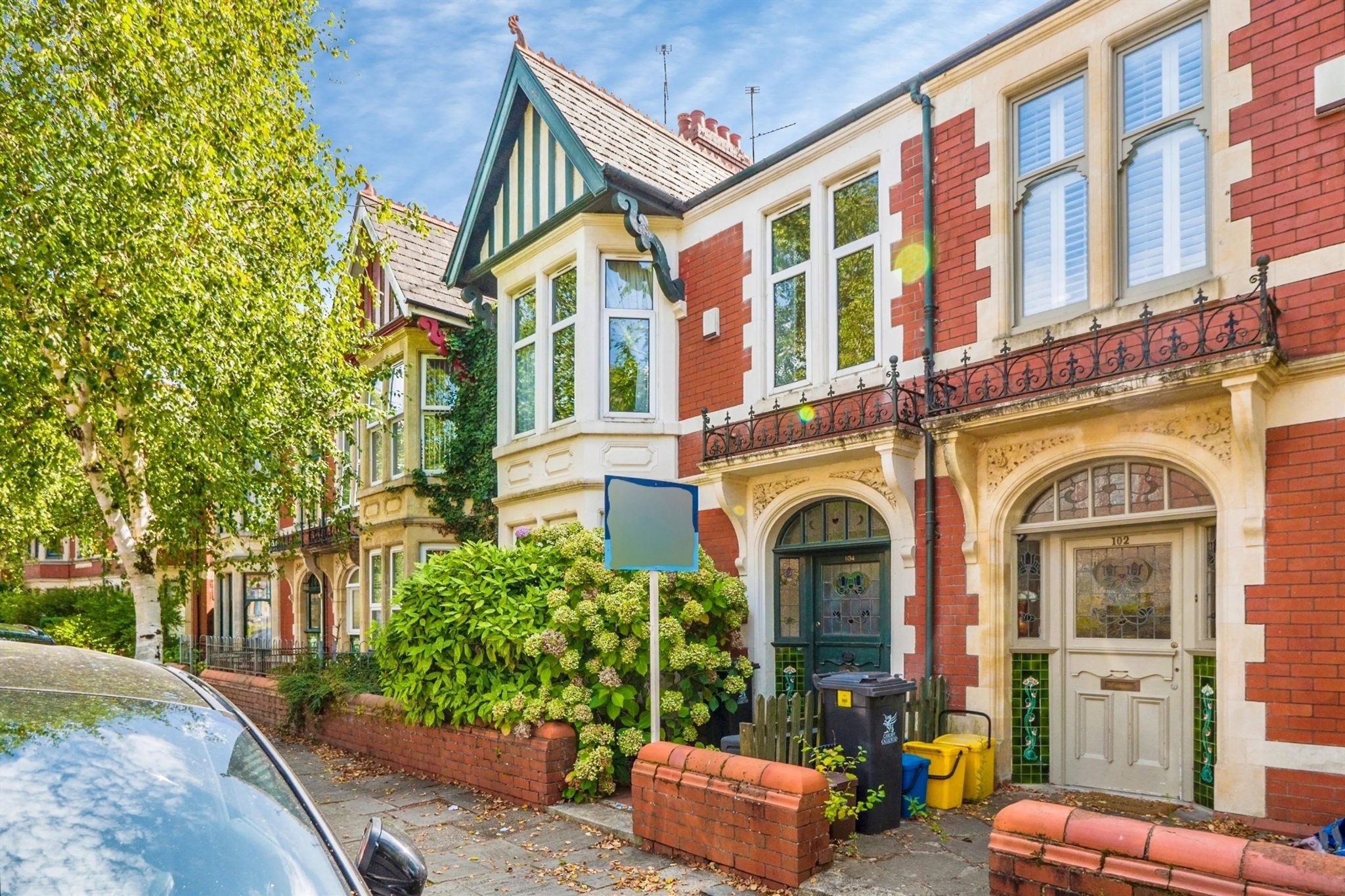
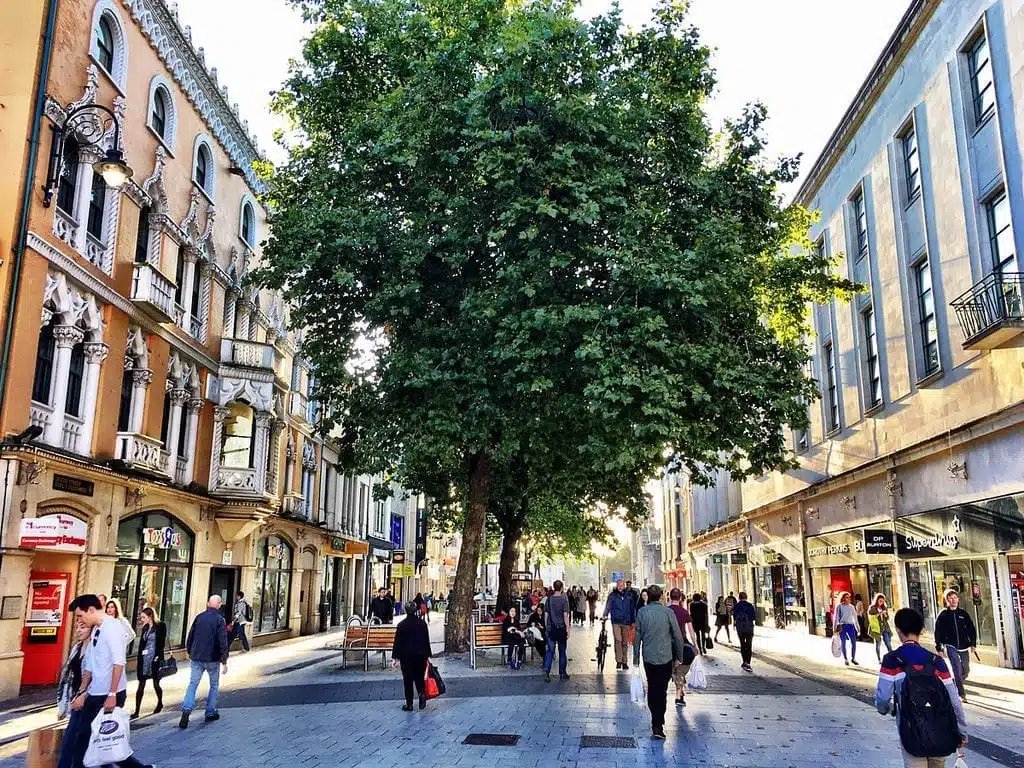
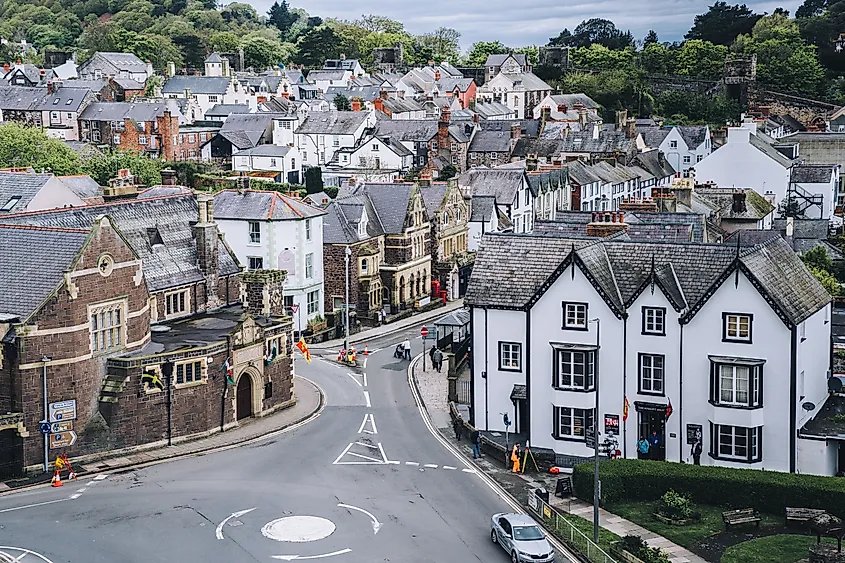
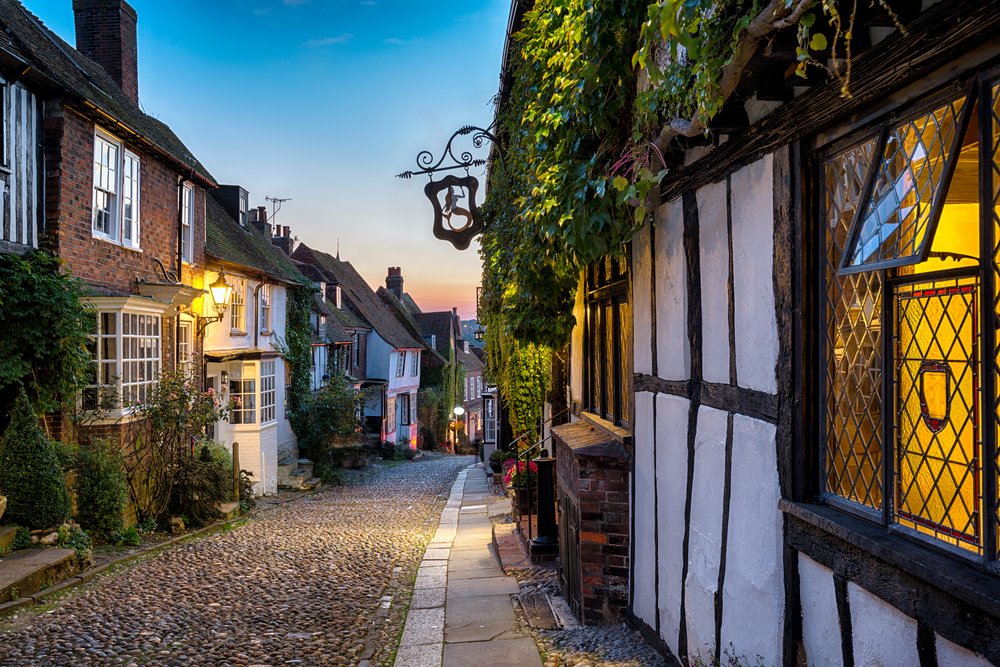
The look: old Wales, made new
“Look how beautiful Wales could become with all of the gorgeous architecture and types of housing and they could build a whole new attached community just to fit in perfectly and end homelessness in their beloved hometown.” — Betsy O’Connor

Scotland
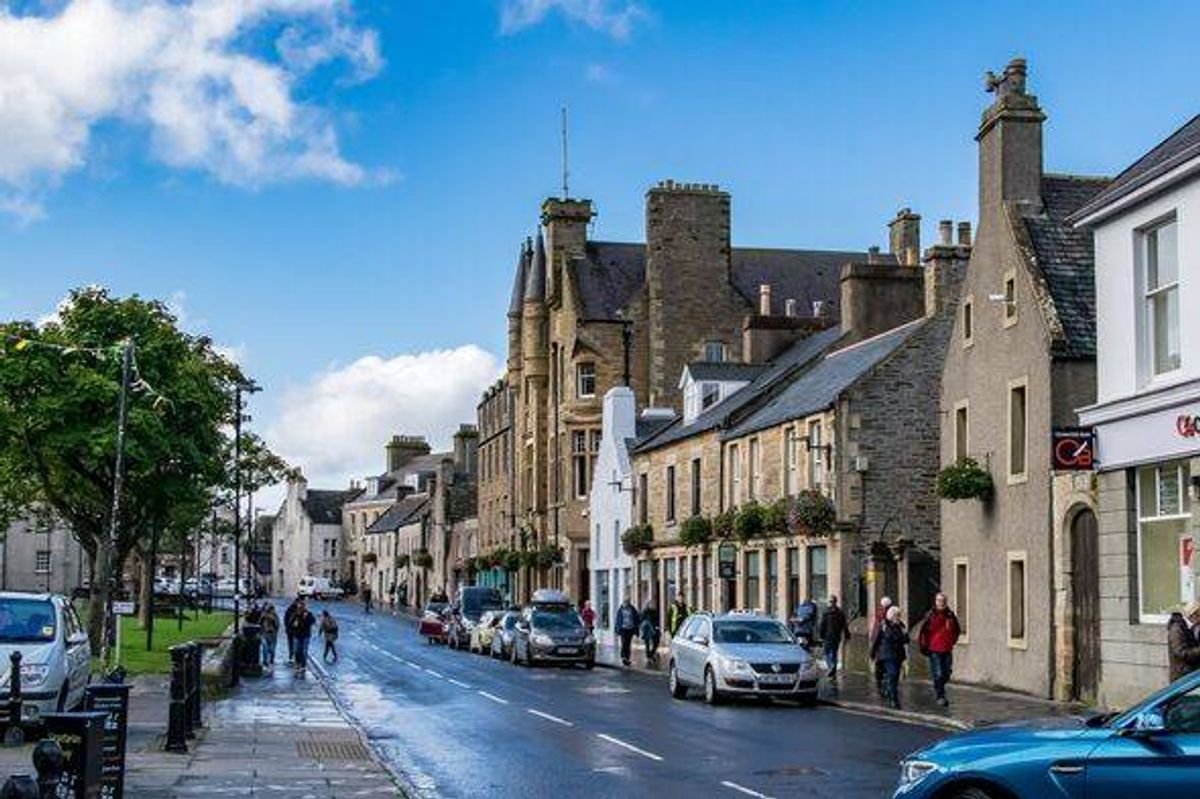
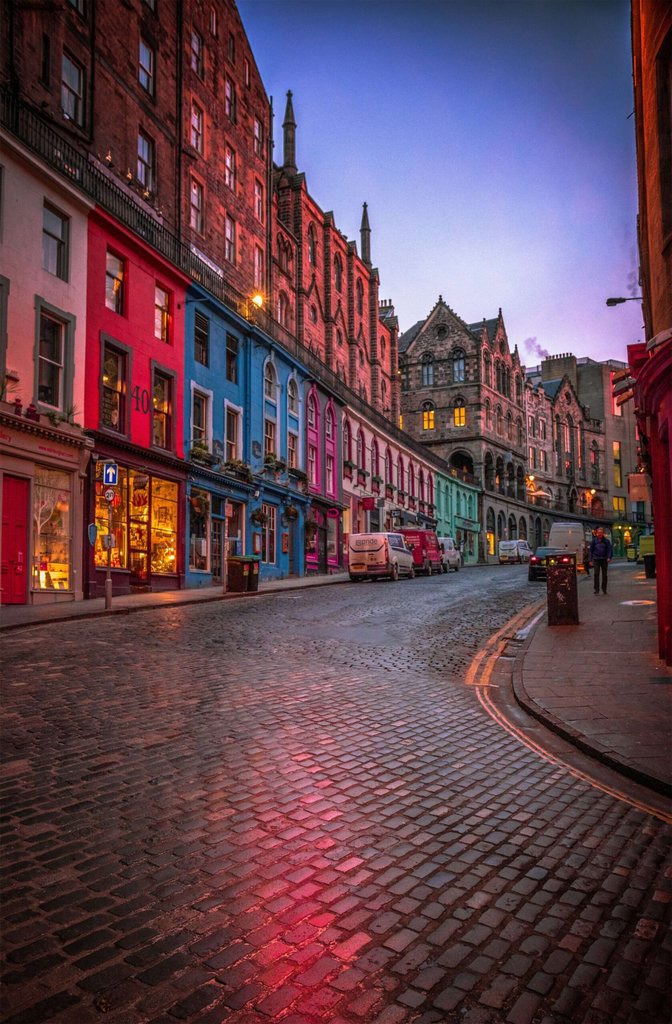
The look: old Scotland, made new
“We sing praise to Scotland and they’re beautiful housing but they provide for the people of Scotland. No picture those houses being built and cared for by the same community members but including the homeless people so that they also have a home and fit into their Community with the same pride.” — Betsy O’Connor

England
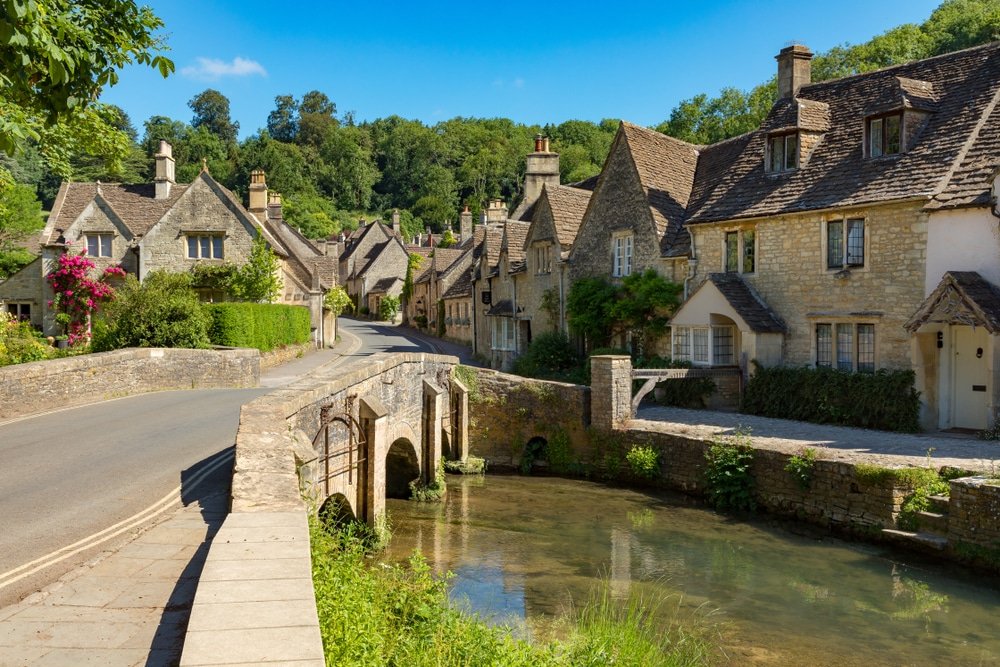
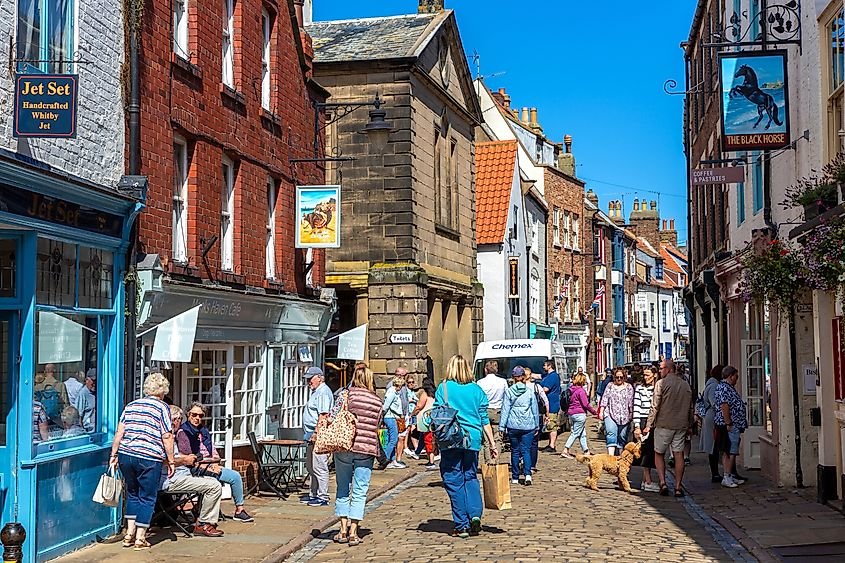
The look: old England, made new
“The beautiful prestigious England will always stand mighty. Yet there are those hiding in the shadows who have nothing who are exposed to danger the weather hunger who just watch people every day enjoying their paths of life will they still suffer I know England can do better with the most beautiful landscape and the pride of the English this will turn around they just need to know how to put it together and make it happen and I’m happy to say the compassion networks is there to hold their hand all the way through until every person in England is welcomed home.” — Betsy O’Connor


Northern Ireland
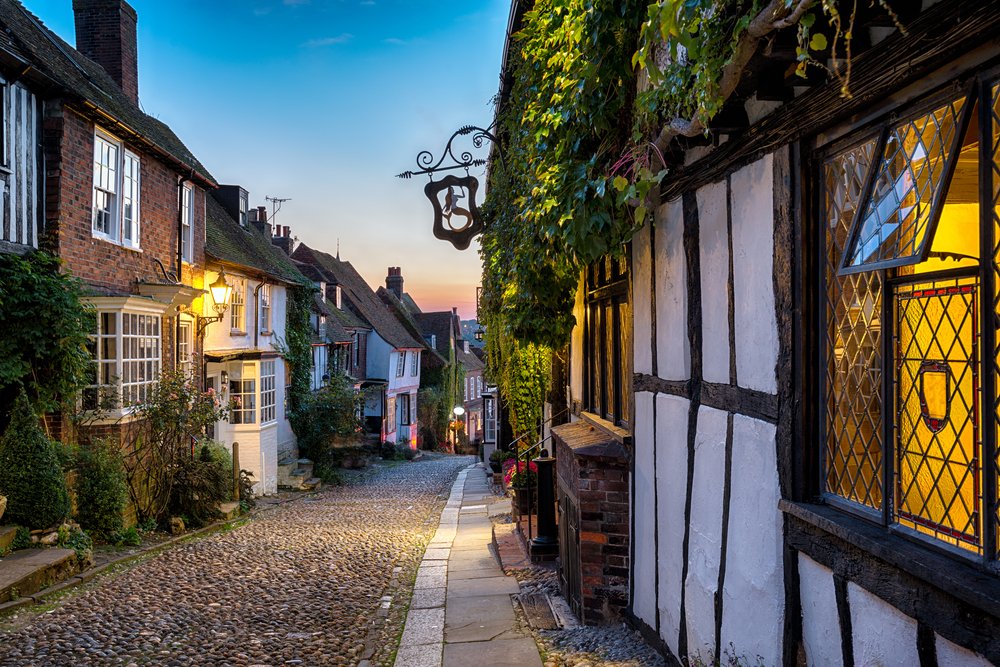
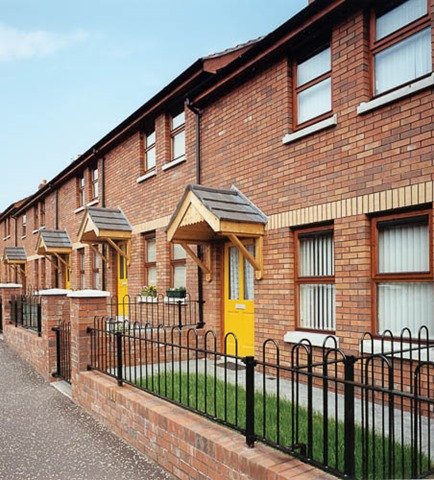
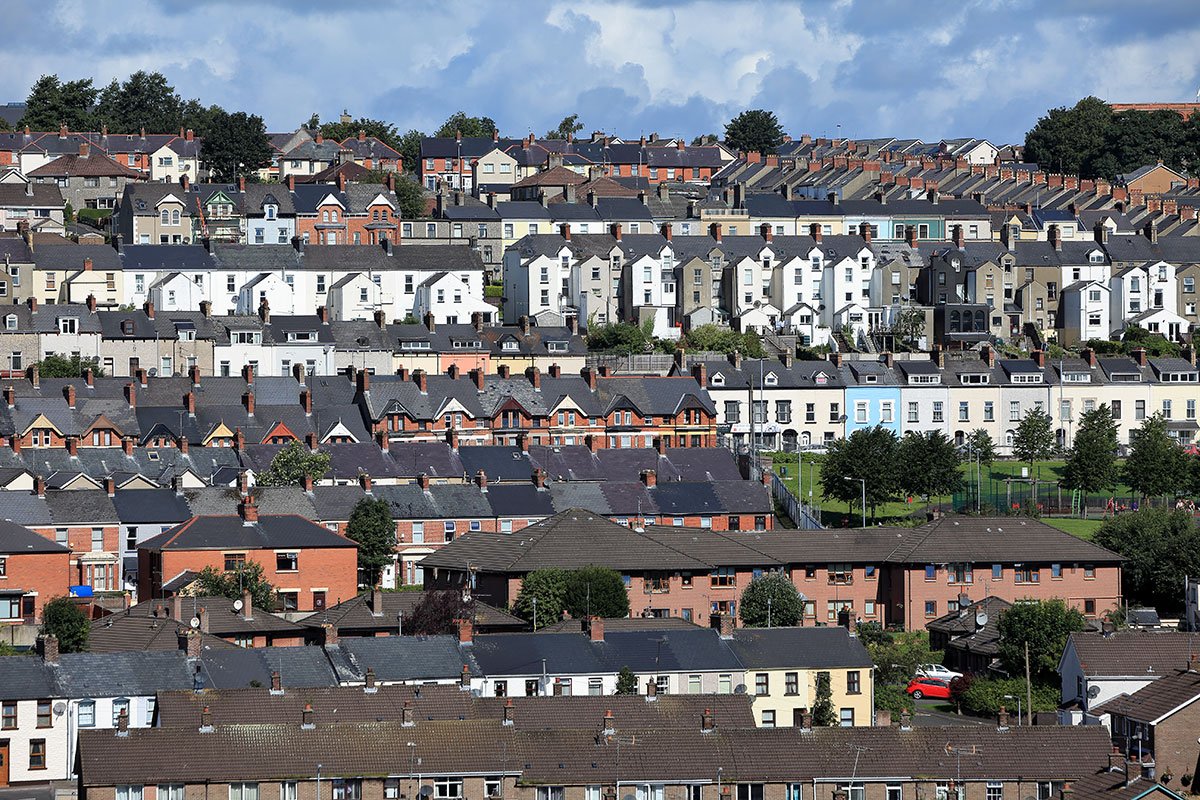
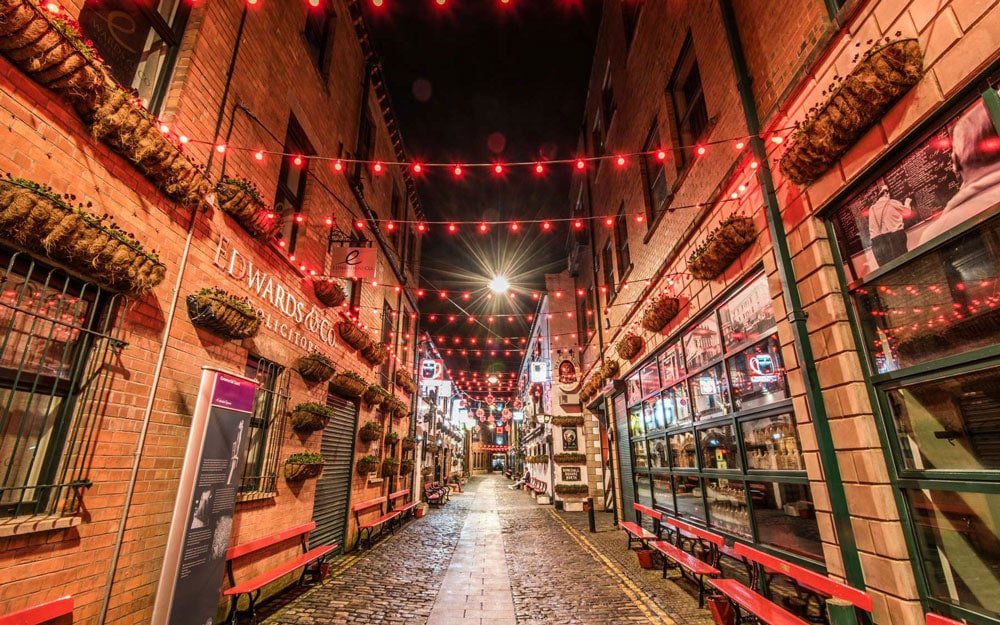
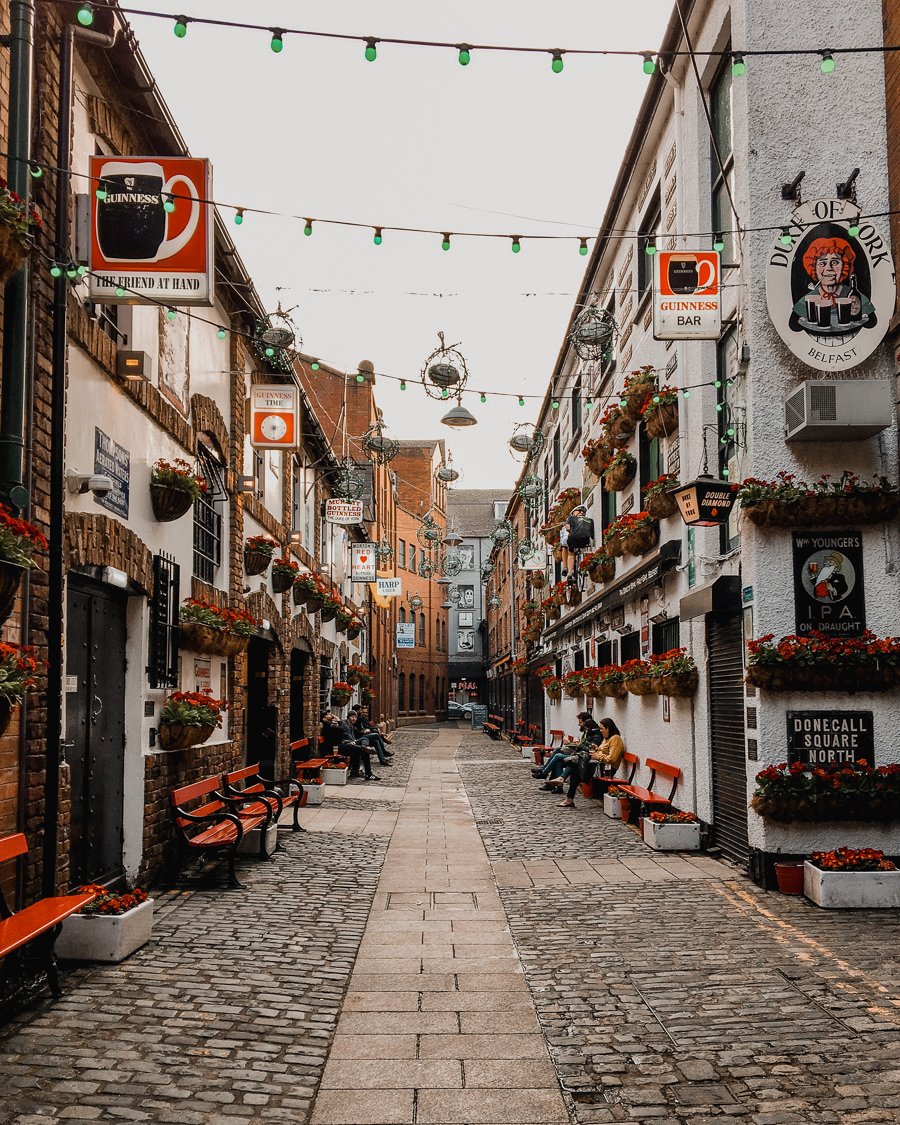
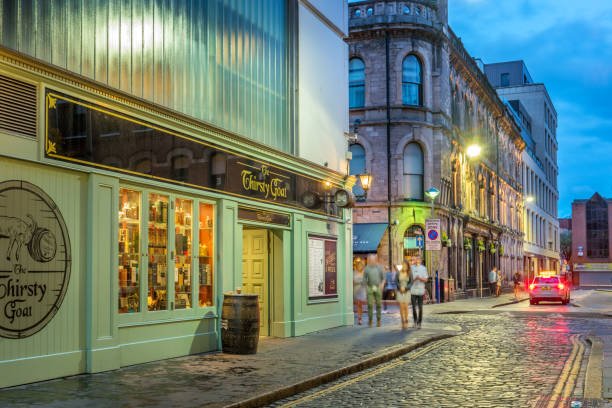
The look: Northern Ireland, made new
“Northern Ireland looks like they build homes that Re gathered near to neighbors, no neighbors should be left on sheltered outside to weather the storms everyone deserves a roof a warm bed and healthy meals and I know Northern Ireland can make that happen and then cheer to one another when it has!” — Betsy O’Connor
Connection
Already in conversation
On October 29, 2026, the Compassion Network Formal Acquisition Letter went to Homeless Link and Crisis — the UK’s national homelessness organisations — as part of the coalition announcement.
🌎
We are all of One globe!
Showing love to all very needy places on the globe.